

Islington council waste disposal rules and rubbish penalties
Posted on 31/07/2026

Islington council waste disposal rules and rubbish penalties: a practical local guide
If you live, work, rent, manage a property, or run a business in Islington, waste disposal can feel deceptively simple right up until it goes wrong. A black bag left out at the wrong time, a sofa dumped beside a bin store, or a builder's rubble piled in the wrong place can quickly turn into an avoidable headache. This guide explains Islington council waste disposal rules and rubbish penalties in plain English, so you can stay compliant, avoid fly-tipping problems, and make sensible decisions about collections, bulky items, and responsible disposal.
We'll cover how the rules generally work, what people commonly get wrong, how penalties arise, and what good practice looks like in day-to-day life. You'll also find a checklist, a comparison table, and practical next steps for homes, landlords, offices, and anyone dealing with a lot of clutter. Let's face it, nobody wants a polite notice that turns into a costly fine.
Why Islington council waste disposal rules and rubbish penalties Matters
Waste rules are not just about tidiness. In a dense borough like Islington, they affect public health, pavements, shared entrances, bin stores, local streets, and how neighbours experience the area day to day. One badly placed bag can attract vermin, block access, or create the kind of mess that spreads fast in wet weather. And once waste is left incorrectly, it can be treated as an enforcement issue rather than a simple housekeeping slip.
That matters for residents, landlords, building managers, traders, and contractors alike. If rubbish is presented incorrectly, the practical result is usually one of three things: it is not collected, it is moved by someone else at a cost, or it becomes evidence in a penalty case. Not glamorous, admittedly, but very real.
There is also a wider point here about community standards. Islington's streets are busy, often narrow, and used constantly. Good waste management keeps frontages clear, reduces complaints, and supports the borough's wider recycling and sustainability goals. If you're getting a property ready for sale, planning a move, or trying to keep a block of flats in order, these details really do add up. For readers comparing neighbourhood life and property responsibilities, it can help to look at local context too, such as what day-to-day living in Islington can feel like and how much space people realistically have for storage.
How Islington council waste disposal rules and rubbish penalties Works
The basic principle is straightforward: waste must be stored, separated, and presented in a way that allows lawful collection and recycling. That sounds simple, but the detail is where people get caught out. Different waste types need different handling, and the usual household rhythm does not always suit large items, renovation debris, or office clear-outs.
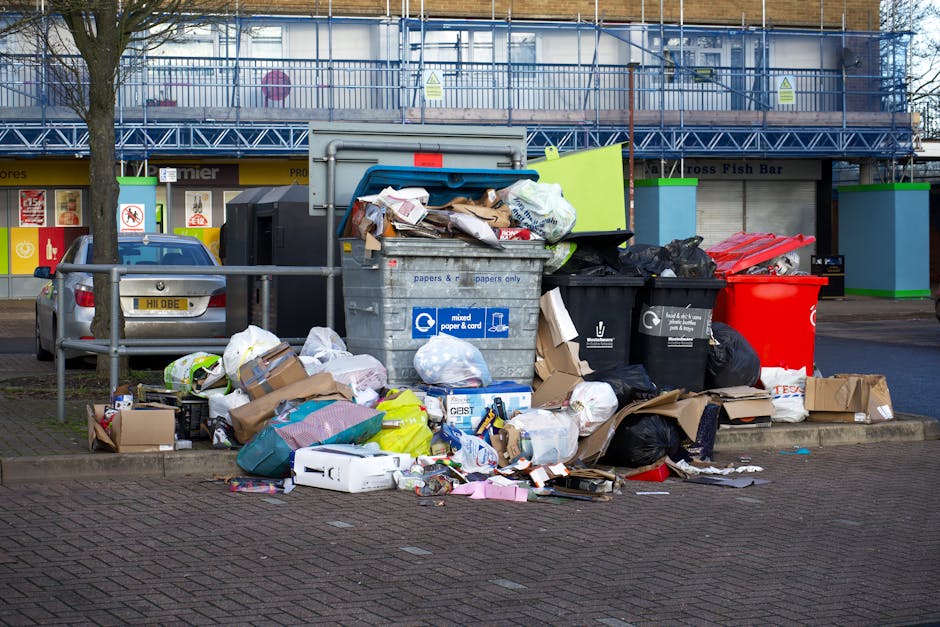
In practice, the council expects waste to be placed out in the correct containers, at the right time, and in the right location. Shared bin stores, communal frontages, and estate access points can all create extra rules. A bag left beside a full bin is still not "in the bin", and a mattress leaning against a wall can be treated as dumped waste rather than a collection request. Small wording change, big difference.
Penalties generally come into the picture where waste is fly-tipped, left on the pavement, placed outside without permission, or presented in a way that creates a nuisance. Enforcement can also be triggered if waste is traced back to an address or business and there is no clear evidence that it was handed to a responsible carrier. In other words, the question is not only what you threw away, but who handled it and how.
For households, that usually means using the correct bins, recycling what you can, and arranging special or bulky waste properly. For businesses, it often means having a documented waste arrangement and keeping transfer paperwork tidy. For landlords and agents, it means managing tenants, void properties, clear-outs, and access carefully. For anyone dealing with bigger volumes, a planned collection is often safer than hoping everything will fit in the weekly routine.
Key Benefits and Practical Advantages
It may sound odd to talk about benefits when the subject is penalties, but there are real upsides to getting this right.
- Fewer fines and complaints: the obvious one, but also the most expensive to ignore.
- Cleaner shared spaces: bin areas, hallways, front steps, and pavements stay usable.
- Less time wasted: no chasing missed collections, no rearranging items after rejection.
- Better recycling performance: correctly sorted waste is easier to process and less likely to be rejected.
- Lower fly-tipping risk: if waste is too bulky to manage informally, it is less likely to end up dumped somewhere awkward.
- Better neighbour relations: surprisingly important in blocks and terraced streets, where one person's bin habit can become everyone's issue.
There is a subtle commercial advantage too. If you're selling a flat, letting a property, preparing an office move, or managing a refurbishment, tidy waste handling gives a better impression and reduces stress. People notice the smell of damp cardboard, the scuff of dragged bags, the little pile of broken shelving by the entrance. Nobody says it out loud, but they notice.
If you are already comparing local clearance support, it can be useful to review the wider service picture through pages like the service overview and the borough-focused recycling and sustainability information. Those pages help explain how better disposal choices fit into everyday life.
Who This Is For and When It Makes Sense
This topic matters to a lot of people, not just those who have already received a warning letter.
- Tenants and flat owners: especially in blocks with shared bins, limited storage, or awkward access.
- Landlords and letting agents: because end-of-tenancy clear-outs and tenant behaviour can become enforcement issues quickly.
- Homeowners renovating or decluttering: one DIY project can produce more waste than expected, especially plasterboard, timber, old fixtures, or packaging.
- Businesses and offices: office moves, equipment disposal, and packaging waste need organised handling.
- Contractors and trades: builders' waste needs a proper chain of responsibility, not a convenient guess.
- Anyone with bulky items: sofas, wardrobes, broken appliances, and loft contents are where things often go sideways.
It makes sense to think about the rules before you are in a rush. Once waste is already outside the building or stored in a hallway, the decision-making gets worse. People become tired, a little defensive, and suddenly "I'll deal with it tomorrow" becomes the plan. Tomorrow is usually when the problem gets more expensive.
For property buyers and movers, waste planning is worth building into the wider process. If you are arranging access, furniture removal, or house prep, related reading such as buying homes in Islington and how to buy real estate in Islington can help you think ahead about practical logistics, not just paperwork.
Step-by-Step Guidance
If you want to stay on the right side of the rules, a calm process works better than a last-minute tidy-up. Here's a sensible way to approach it.
- Identify the waste type. Is it general household rubbish, recycling, food waste, bulky waste, garden waste, builders' debris, electrical items, or commercial waste?
- Separate what can be reused or recycled. A surprising amount of clutter does not need to be treated as rubbish at all.
- Check how it should be presented. Look at whether items need to be bagged, boxed, flattened, tied, or taken to a designated collection point.
- Confirm access details. Shared entrances, locked gates, basement steps, parking restrictions, and narrow streets all matter.
- Choose the right collection route. For small amounts, the standard system may be enough. For larger volumes, a dedicated collection is usually the cleaner option.
- Keep proof of responsible disposal. If waste is handed to a carrier, keep records and receipts where appropriate.
- Do a final check before putting anything outside. This is the moment that prevents a fine, honestly.
A useful rule of thumb: if the item is too awkward, too heavy, too smelly, or too large for ordinary weekly disposal, it probably needs a more deliberate solution. This is especially true for bulkier items and mixed loads. The short version? Don't improvise with rubbish. It rarely ends well.
Expert Tips for Better Results
These are the small habits that make a big difference in real life.
- Flatten cardboard early: it saves space, avoids overflow, and keeps bin areas more manageable.
- Keep food waste separate: even a small amount can make other recyclables unusable.
- Don't leave items "temporarily" outside: temporary often becomes permanent after one busy morning.
- Photograph cleared areas if you manage property: useful for record-keeping and handovers.
- Use labels for mixed items: a quick note can stop useful items being binned by mistake.
- Plan collections around access windows: if the building is awkward, timing matters more than people think.
One practical observation from local work: many avoidable problems happen because people underestimate how much waste appears at the end of a project. A wardrobe dismantled in a hurry suddenly becomes a mountain of panels, screws, brackets, and packaging. That is not a criticism, just reality. The dust gets everywhere too, which is why people often notice the issue only after the room is empty.
If you are comparing professional help, the pages on insurance and safety and pricing and quotes are useful companions because they help you judge whether a service feels properly organised, not just cheap.
Common Mistakes to Avoid
Most rubbish penalties are not the result of dramatic wrongdoing. They often start with ordinary shortcuts.
- Leaving waste beside a full bin: it is still uncontrolled waste, and usually still a problem.
- Assuming bulky items can "wait a day": those items are exactly what attract complaints.
- Mixing recyclable and non-recyclable waste: contamination can make the whole load harder to process.
- Using an unknown carrier: if waste is dumped later, your address may still be connected to it.
- Ignoring access rules in estates or blocks: a collection can fail simply because the route was never workable.
- Forgetting about commercial waste duties: businesses have extra responsibilities and should not rely on ad hoc disposal.
There is also a quieter mistake: assuming enforcement is only about large-scale fly-tipping. It isn't. Small and repeated breaches can also create trouble, especially where they affect shared spaces or repeat near the same address. If you have ever walked past a row of bags on a wet Monday and thought "that looks like a problem", you already understand how quickly it escalates.
Tools, Resources and Recommendations
You do not need a complicated system, but a few practical tools help enormously.
- Waste calendar: keep collection dates, bulky booking dates, and skip or clearance appointments in one place.
- Simple sorting boxes: one for reuse, one for recycling, one for general waste, one for electronics.
- Camera phone: useful for documenting what was cleared, especially in tenancies or office moves.
- Measuring tape: sounds basic, but it helps with bulky items and access planning.
- Bag labels or tape: handy when several people are contributing to a clear-out.
For practical local support, readers often explore rubbish collection in Islington, waste clearance in Islington, or specific services such as house clearance, office clearance, furniture disposal, and loft clearance. Those are useful when the waste is more than a bin job but less than a full building project.
Law, Compliance, Standards, or Best Practice
This is the section where caution matters. Waste disposal is governed by UK rules around proper storage, transfer, and disposal of waste, and local enforcement can apply where waste is abandoned, incorrectly presented, or mishandled. For businesses, there is usually a stronger duty to ensure waste goes to a responsible and authorised carrier. For households, the safest approach is simpler: keep waste in the right place, at the right time, and in the right format.
Good practice usually includes the following:
- separating recyclable materials where possible;
- avoiding obstruction of pavements, stairwells, and entrances;
- making sure waste is not accessible to pests or weather damage;
- keeping transfer records when a carrier removes waste on your behalf;
- checking that contractors understand the site, access route, and waste type.
For construction and refurbishment jobs, builders' waste needs extra care because mixed rubble, plasterboard, timber, packaging, and fixtures can create both access problems and compliance problems. If that is your situation, the page on builders' waste disposal in Islington is a sensible place to start.
Best practice is not about being perfect. It is about being predictable, documented, and considerate. That is usually enough to avoid the messy middle ground where waste becomes a complaint. A little boring is good here. Boring keeps you out of trouble.
Options, Methods, or Comparison Table
Not every waste problem needs the same solution. The best option depends on volume, timing, item type, and access.
| Option | Best for | Pros | Limitations |
|---|---|---|---|
| Weekly household bins | Small everyday rubbish and recycling | Simple, routine, low effort | Not suitable for bulky, hazardous, or large-volume waste |
| Bulky waste arrangement | Mattresses, sofas, wardrobes, white goods | Legitimate route for larger household items | Needs planning and correct presentation |
| Professional collection | Mixed loads, heavy items, time-sensitive clear-outs | Convenient, faster, less lifting | Requires choosing a trustworthy provider |
| Self-haul to disposal point | Drivers with access and the right vehicle | Hands-on control over timing | Time-consuming, physically demanding, parking and loading hassles |
| Reuse, donate, or sell | Furniture and items still in good condition | Least wasteful, often most satisfying | Not suitable for damaged or unsellable items |
If you're unsure which route fits your situation, it often helps to compare the job against the access conditions. Narrow stairs? Shared entrance? No parking? Those details can rule out a "quick DIY" plan in about thirty seconds flat. Sometimes the sensible answer is simply to get it collected properly.
Case Study or Real-World Example
Picture a small flat in Islington after a tenancy ends. The outgoing tenant has left a broken bookshelf, a partly dismantled bed frame, several bin bags, and a pile of cardboard from a last-minute online shopping spree. The hallway is shared, the lift is small, and the collection day is not until later in the week.
If the waste is left in the communal area "just for a bit", it can quickly become a complaint. Other residents need the space. The managing agent wants a clear corridor. The cleaner is stuck moving around it. And if the items are left outside, even briefly, they may be treated as dumped waste rather than a tidy waiting arrangement. Not ideal.
The better approach is straightforward: sort the reusable items, flatten the cardboard, bundle the wood safely, and arrange removal before the corridor becomes a storage area. In a case like this, a local team offering planned collection is usually more practical than hoping the block won't notice. If you are dealing with a similar scenario in a council or managed building, the page on rubbish removal in Islington council properties gives a useful sense of the access issues people run into.
We have seen this sort of thing happen on a Friday afternoon, with everyone trying to leave early and nobody wanting to be the person who drags a mattress down the stairs. Honestly, who does? That's usually the moment where a proper plan saves the day.
Practical Checklist
Use this quick checklist before you put anything out or book a collection.
- Have I identified the exact type of waste?
- Can anything be reused, donated, repaired, or recycled?
- Is the waste in the correct bags, boxes, or bundles?
- Am I clear on the collection time and location?
- Will the waste block a walkway, entrance, or bin store?
- Do I need help with bulky or heavy items?
- Have I checked whether the item is commercial, builders', or special waste?
- Do I need proof of responsible disposal or contractor paperwork?
- Is there a risk of complaints if it stays where it is?
- Have I chosen the least risky option, not just the quickest one?
For larger clear-outs, especially if timing is tight, it can also help to review practical topics like avoiding hidden rubbish removal charges in Islington and same-day rubbish collection delays and solutions. Those articles are useful when the job is urgent and you want fewer surprises.
Conclusion
Islington council waste disposal rules and rubbish penalties may sound like a dry topic, but in real life they are about everyday habits, shared spaces, and avoiding unnecessary trouble. Most problems are preventable with a bit of planning: sort waste properly, choose the right disposal route, respect access rules, and don't leave items outside "for later". Later has a habit of becoming a fine.
Whether you are a resident clearing a flat, a landlord between tenancies, a business handling office waste, or a homeowner tackling a bigger project, the smart approach is the same: keep it lawful, keep it tidy, and keep it simple. That way the street stays cleaner, the neighbours stay happier, and you avoid a situation you did not need in the first place. A small bit of care goes a long way.
Get a free quote today and see how much you can save.
If you are planning a larger project or dealing with awkward access, it may also be worth exploring about us, terms and conditions, privacy policy, and payment and security so you can make a decision with confidence rather than guesswork.

 Tipper Van - Rubbish Removal and Waste Clearance Prices in Islington, N1
 Luton Van - Rubbish Removal and Waste Clearance Prices in Islington, N1

